
Cuyahoga Valley is not a park you plan a big trip around. It is a park you keep going back to. Ohio’s only national park sits between Cleveland and Akron, so it works well for short visits. We went several times in 2026, and it looked different each time.
This valley was farmed, quarried and crossed by a canal. The Cuyahoga River also became famous for pollution when it caught fire in Cleveland in 1969. Congress protected the valley as a recreation area in 1974, and it became a national park in 2000.
April: lakes and boardwalks
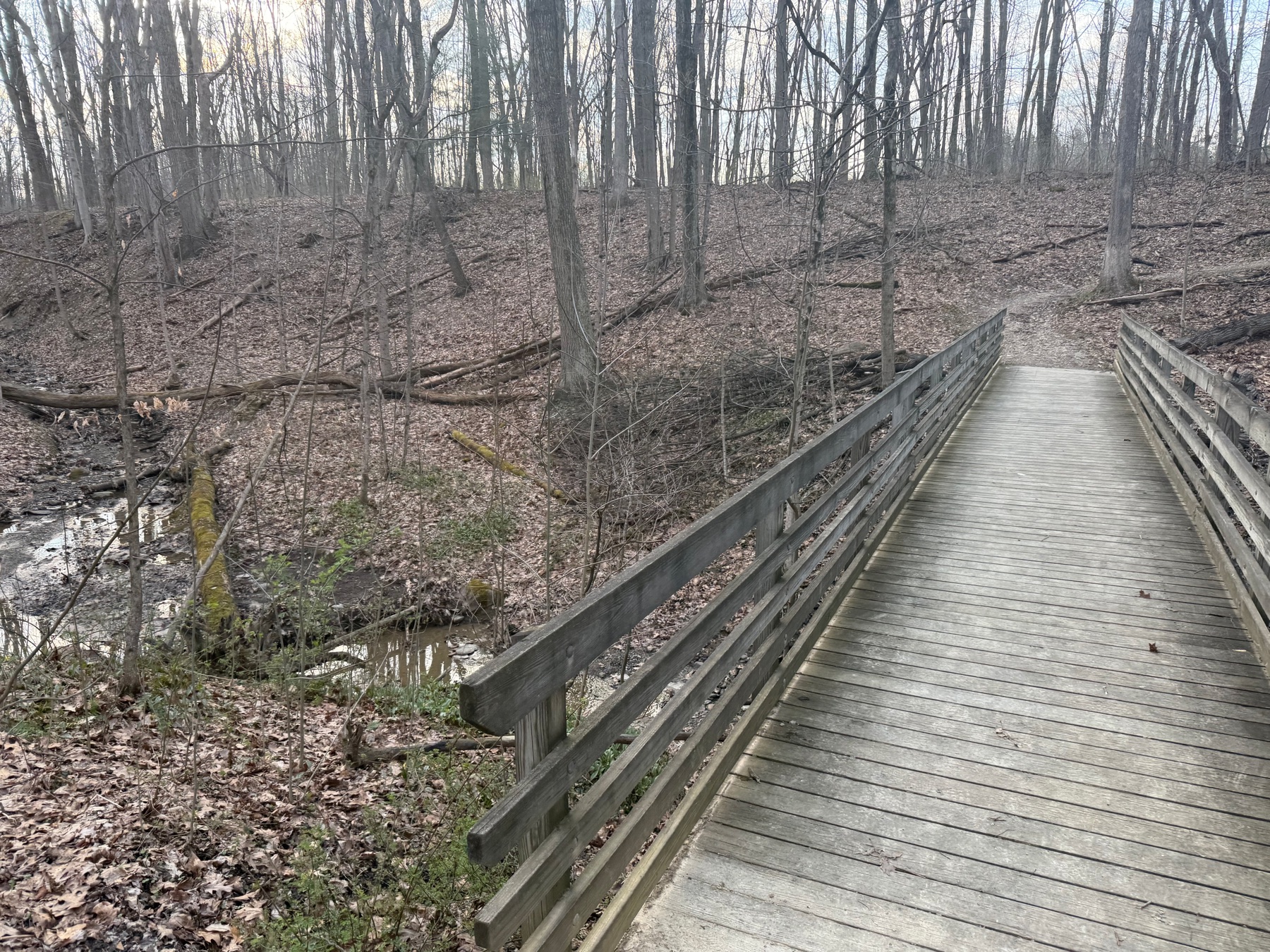
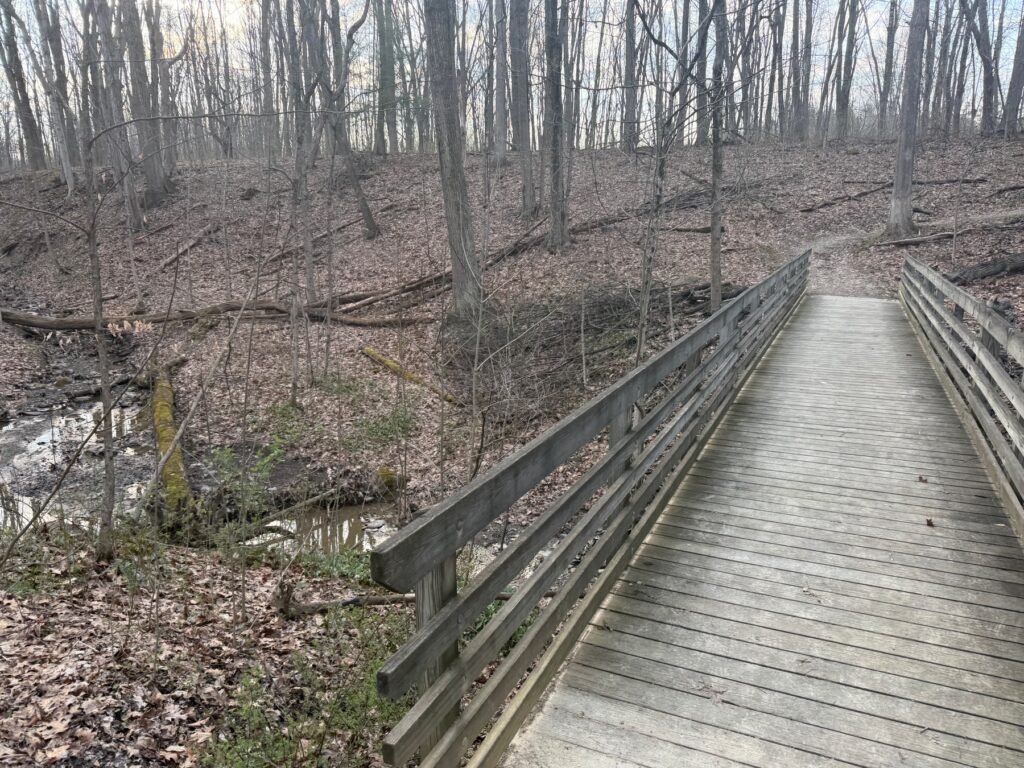
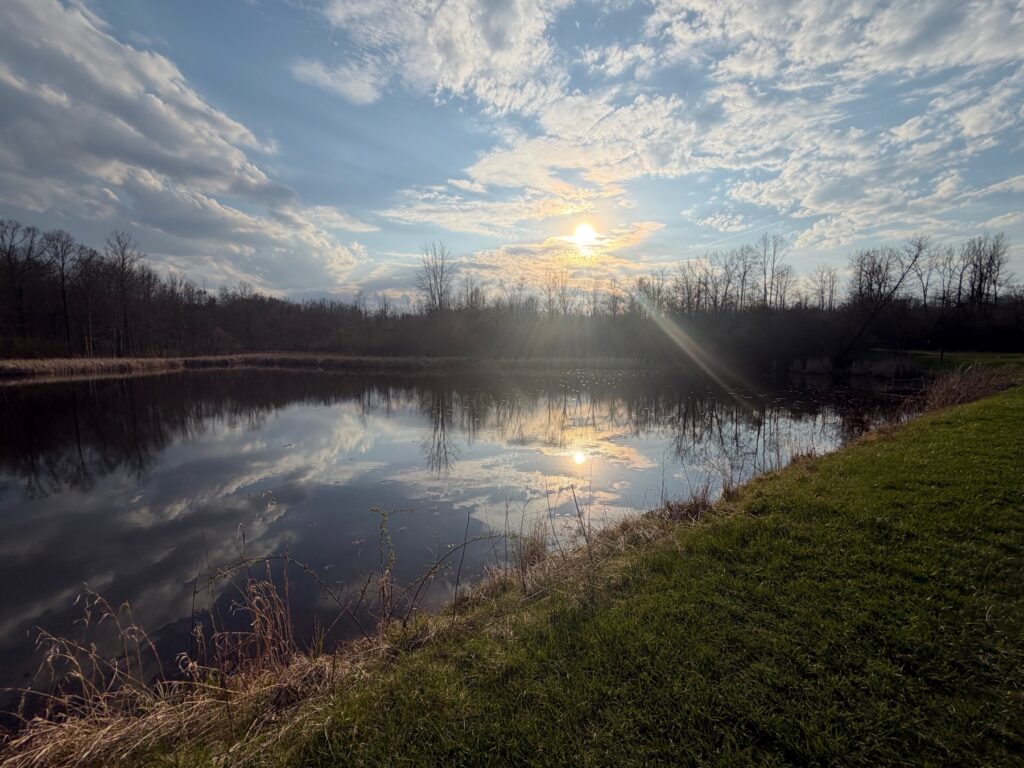
Early April is still bare. The trees are empty, the low sun comes through the woods, and the still water reflects the sky. On one evening walk, we had a boardwalk almost to ourselves.
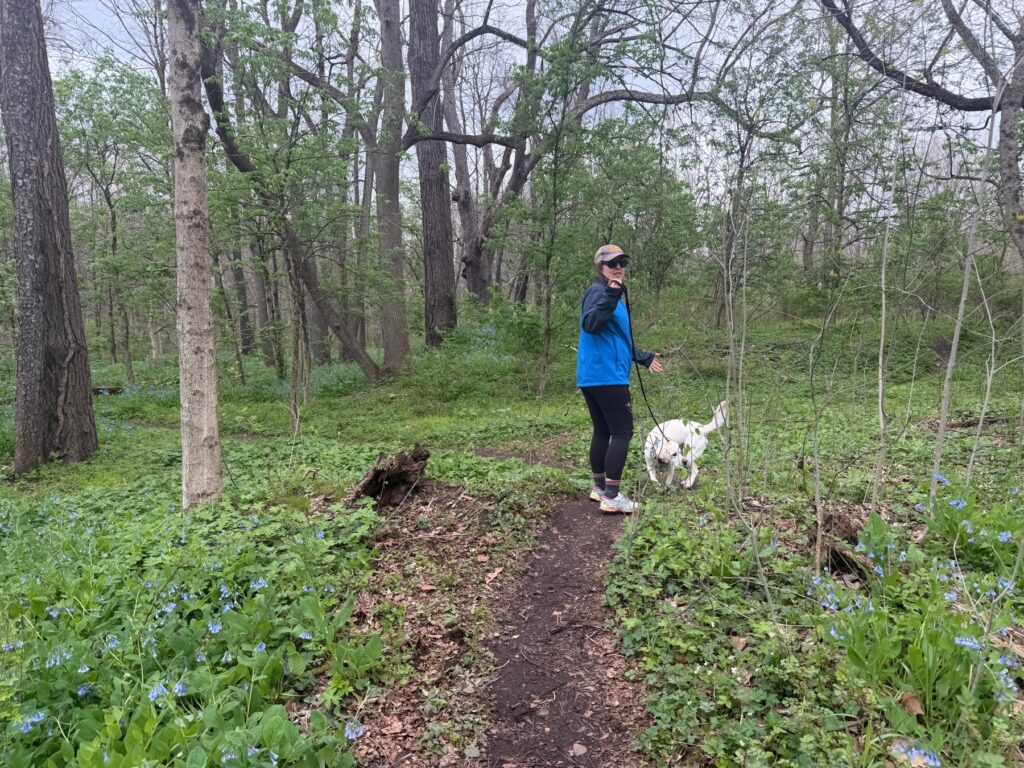
Bluebells at Peninsula
A couple of weeks later, everything changes. In the second half of April, the woods turn green and Virginia bluebells and other wildflowers come up before the trees have leaves. It does not last long. We walked the trails near Peninsula, a small village in the middle of the park, on a cool, gray Sunday.
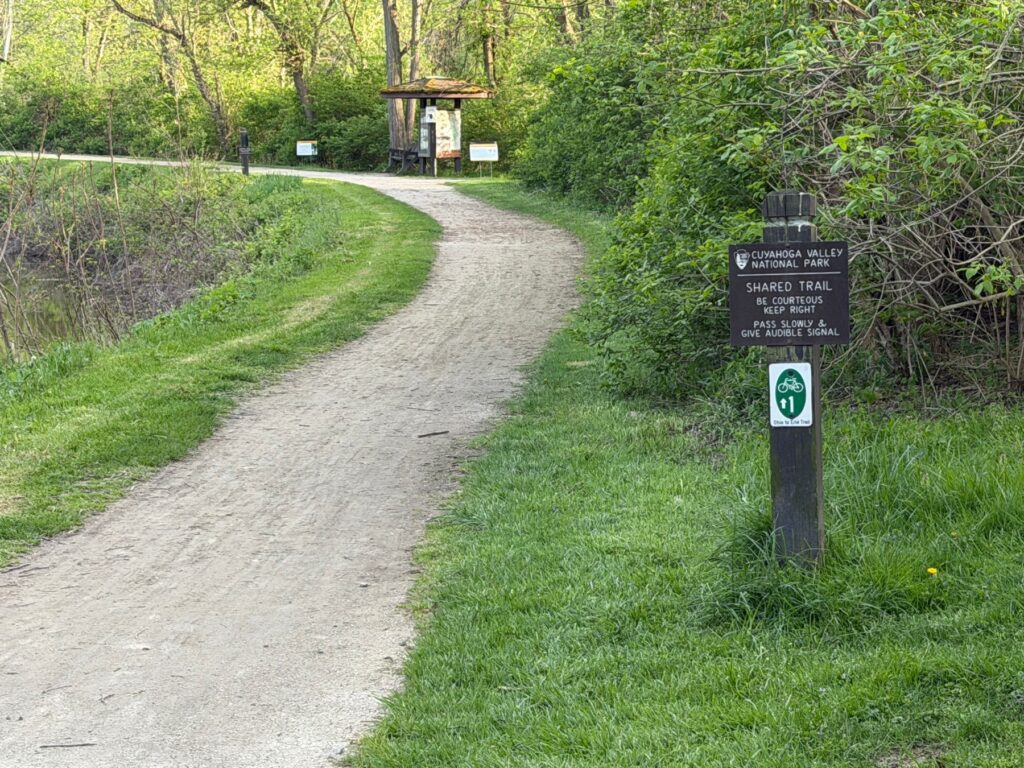
The park’s main trail is the Towpath Trail, which follows the route of the Ohio and Erie Canal from the 1820s. Mules once pulled boats along it. Today it is a flat gravel path for walkers and cyclists, and it is the easiest way to see the valley.
August: the marsh
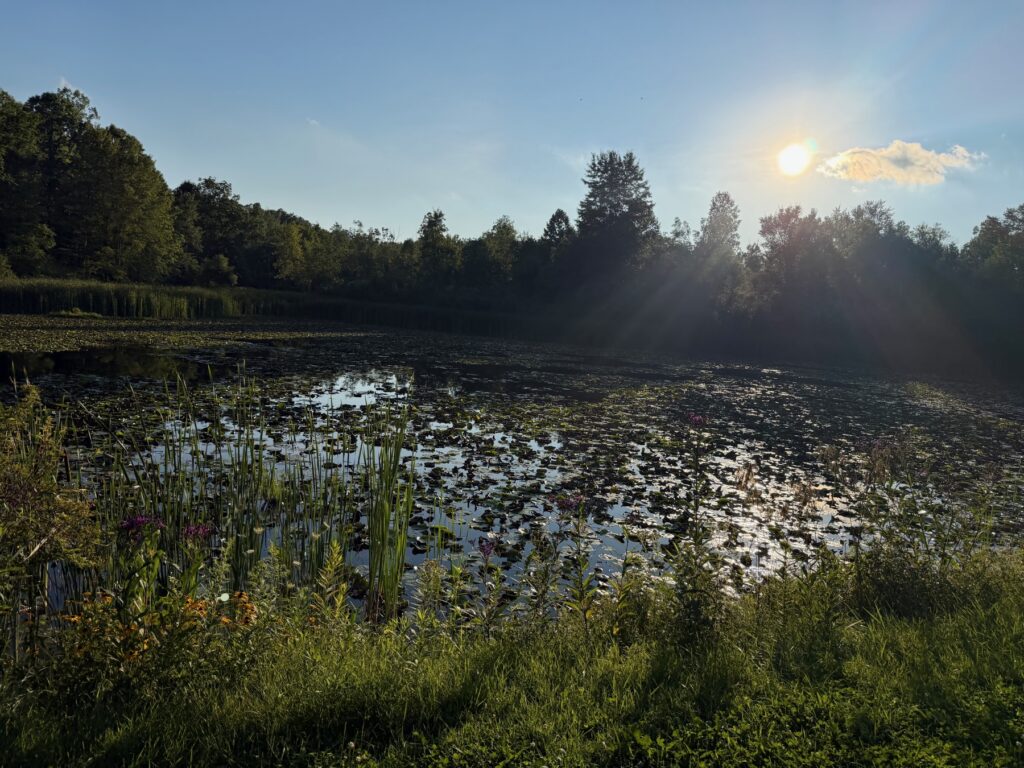
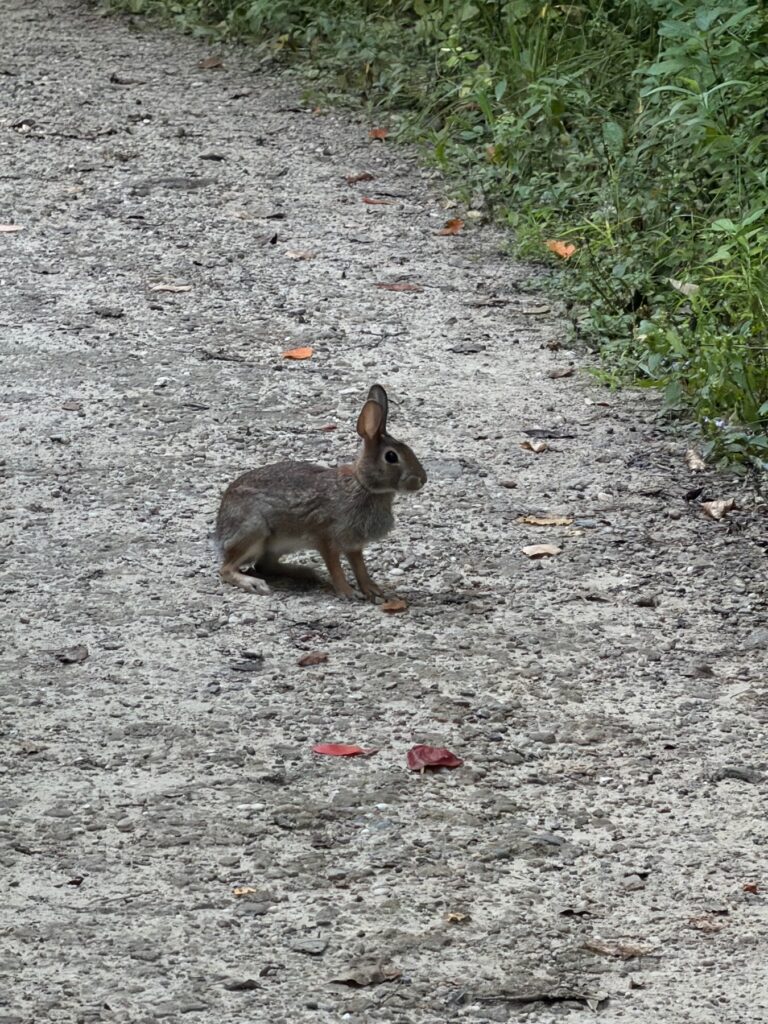
By August the valley is thick and green. We came back in the evening and found the marsh covered in lily pads, with the sun dropping behind the trees. A rabbit sat on the gravel path and let us get close.
Practical Info
- Where: Between Cleveland and Akron, Ohio. Peninsula makes a good base for a first visit.
- Cost: Free, with no entrance fee.
- Bluebells: Usually mid to late April, but it depends on the weather, so check park updates.
- Getting around: The Towpath Trail runs the length of the park, and the Cuyahoga Valley Scenic Railroad also runs through the valley.
- Allow: An hour for a short walk, or a full day for the waterfalls and Towpath.