
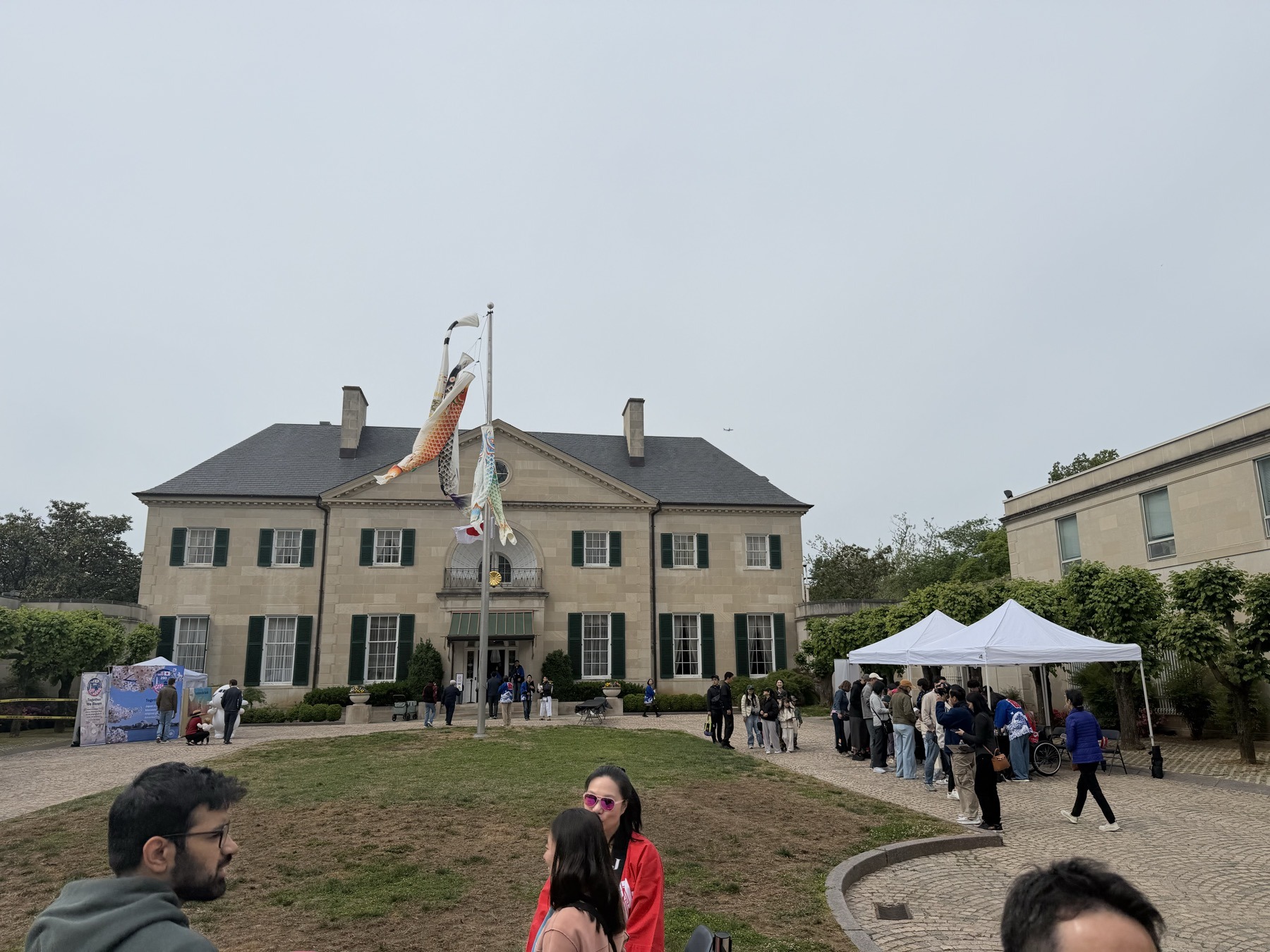
Once a year, the embassies of Washington DC open their doors to the public. The event runs across two separate weekends — one for non-EU countries, one for EU member states — and it is exactly as interesting as it sounds: a chance to walk through buildings that are normally closed to anyone without diplomatic business, hosted by countries that want to show off their culture, food, and design. The lines are long. It’s worth it anyway.
How It Works
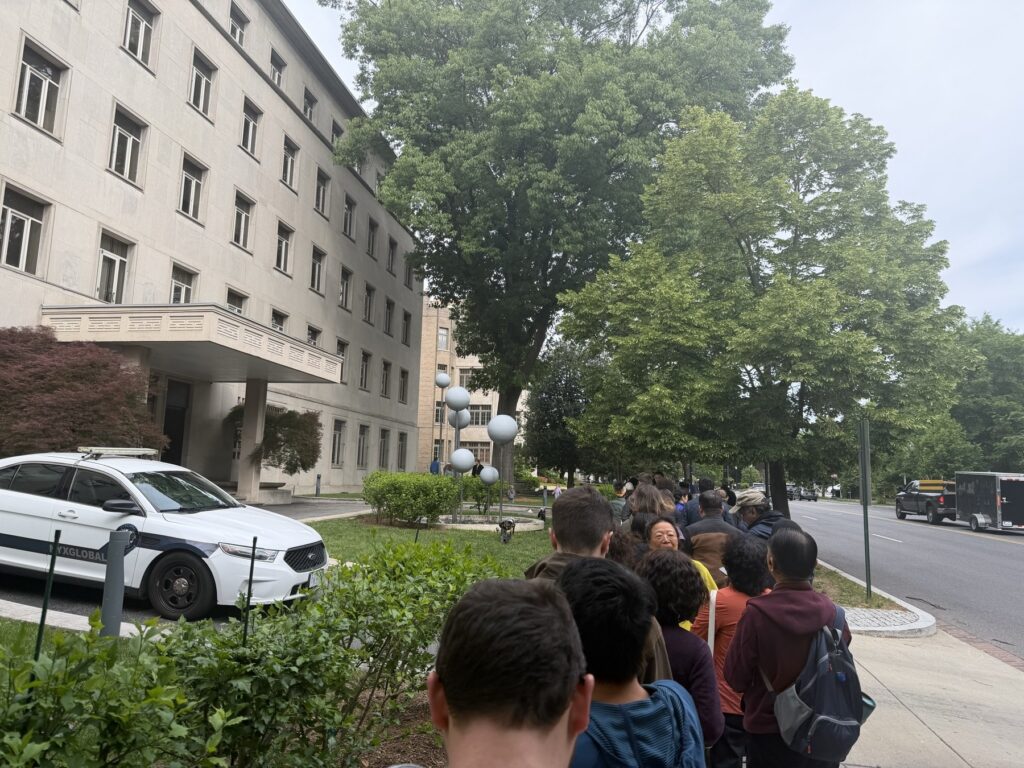
Each embassy runs its own open house independently — different hours, different lines, different experiences. Some are quiet and focused on art; others have food stalls, cultural performances, and displays packed into every room. There’s no single ticket or registration for most; you just show up and queue. Expect the lines to be significant at popular embassies, especially in the morning at well-known countries. This is not an event for small children who can’t handle extended waits.
We covered three embassies: Japan, Côte d’Ivoire, and Korea. We wished we’d had time for more.
Japan: The Best One
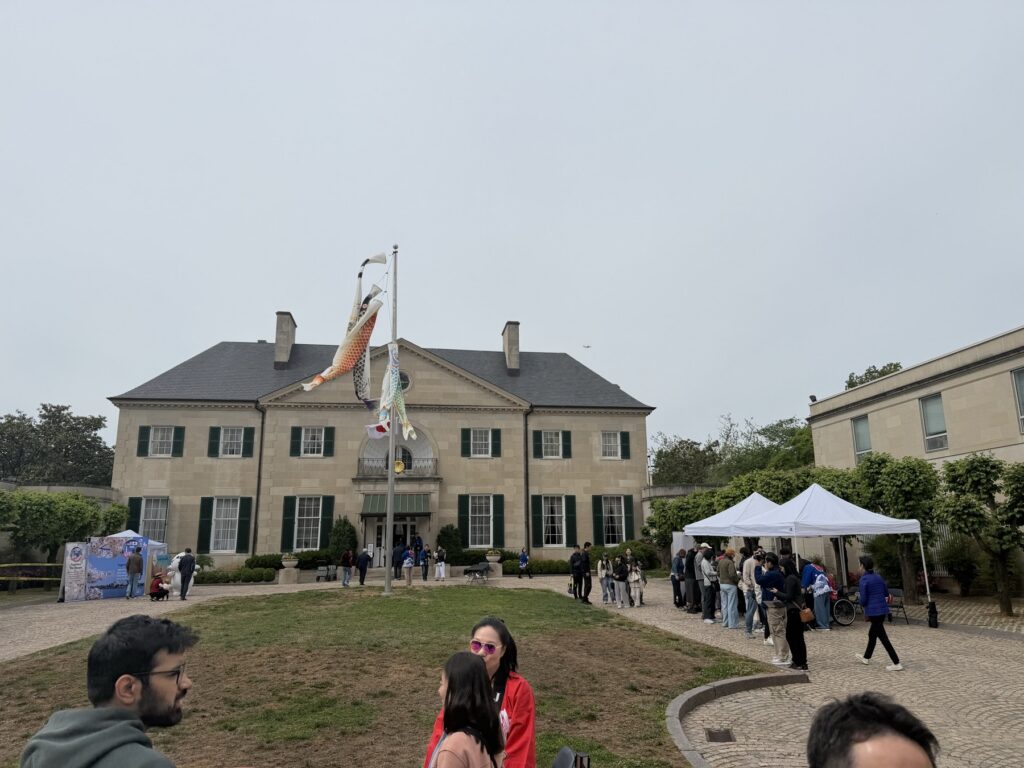
Japan at opening — which we highly recommend — was already drawing a long line, but it moved. The embassy building is a handsome colonial-style manor, and for the open house they decorate the grounds with koi nobori — traditional carp streamers typically flown during Children’s Day in May. The effect outside is festive and visually striking.
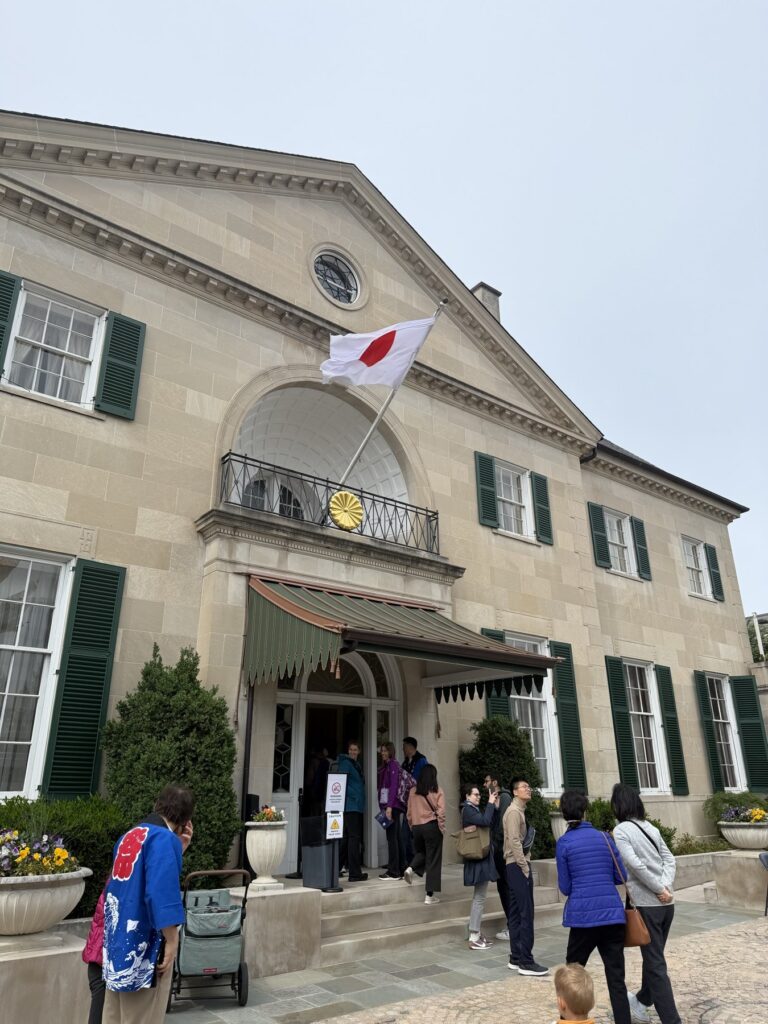
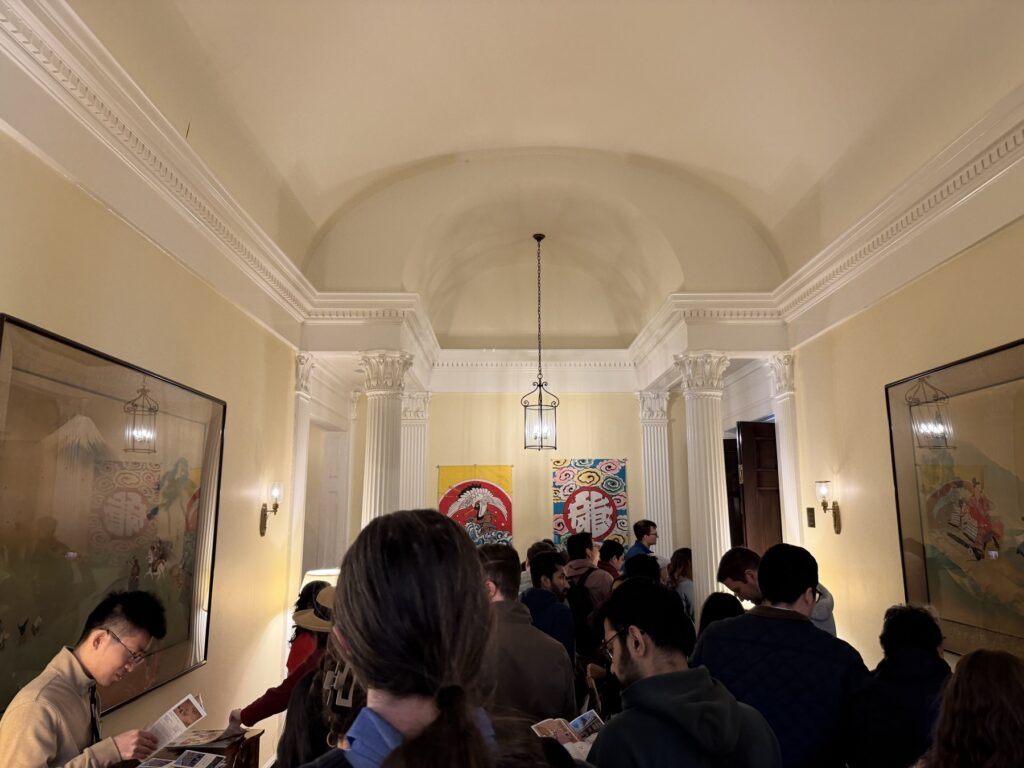
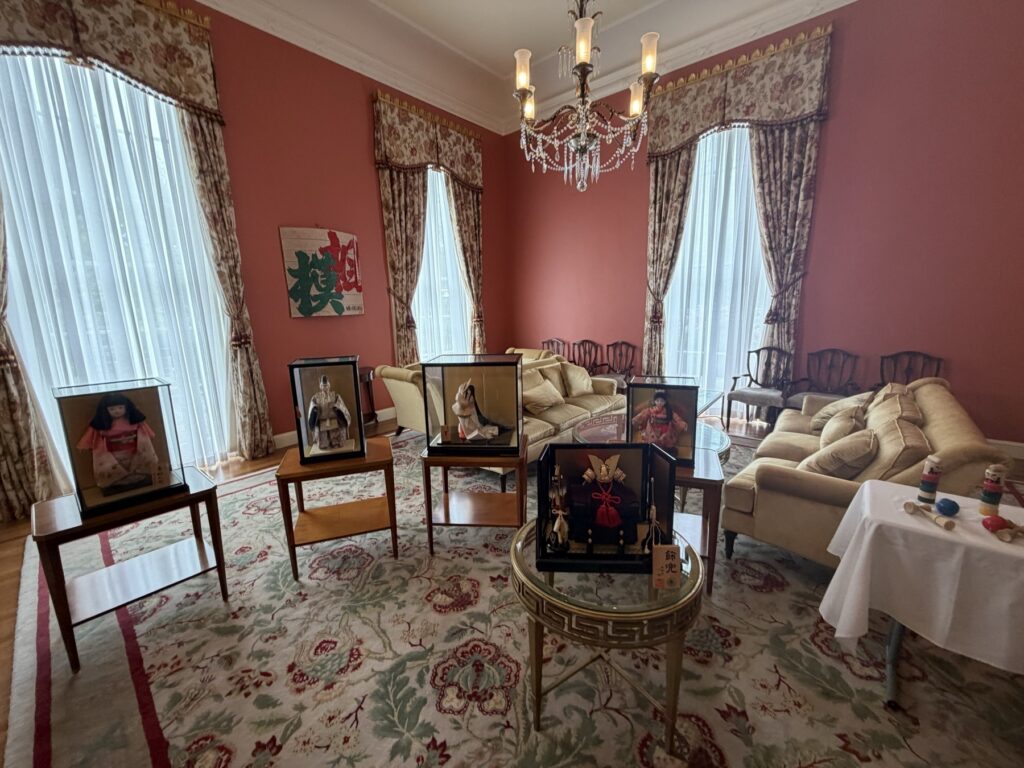
Inside, the formal rooms are opened up and dressed with Japanese cultural exhibits. The hallways fill quickly — the architecture is European formal, barrel-vaulted ceilings and columns, hung with Japanese scroll paintings and festival art. One reception room displayed a collection of traditional Japanese dolls in glass cases, a quiet contrast to the packed corridor outside it.
Côte d’Ivoire
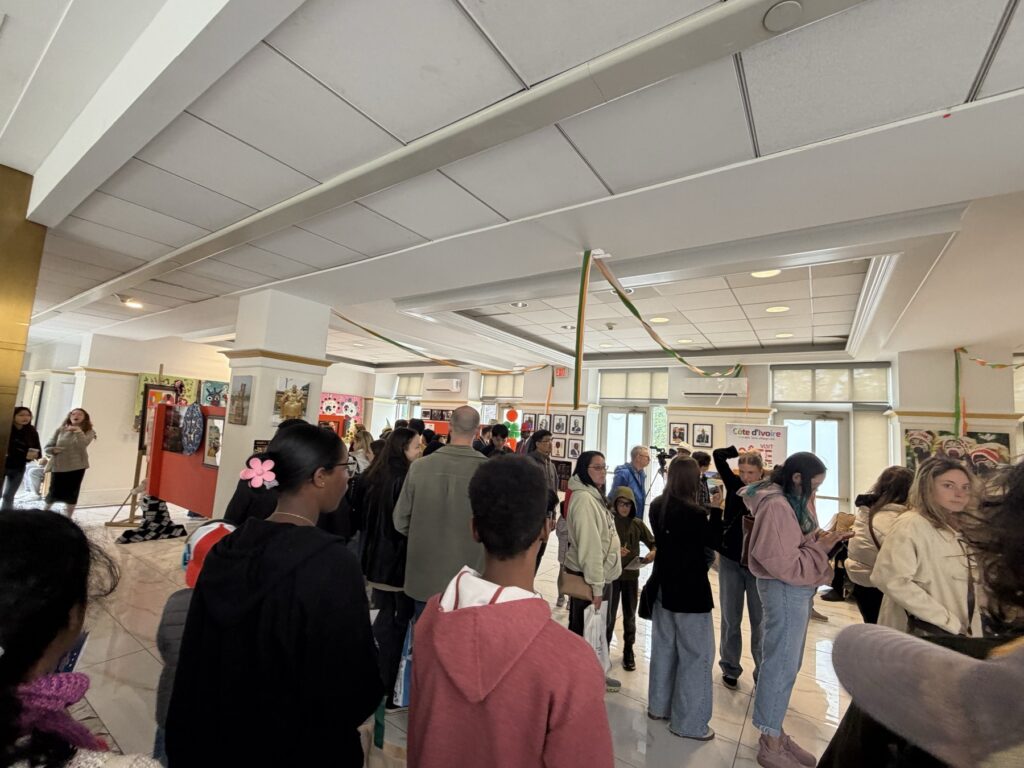
The Côte d’Ivoire embassy had a completely different energy — louder, more packed, with colorful art filling the walls and cultural displays covering every surface. A very different experience from the quiet formality of the Japanese rooms, and a reminder that the embassy tour covers an enormous range of presentation styles and vibes. No two stops feel alike.
Korea
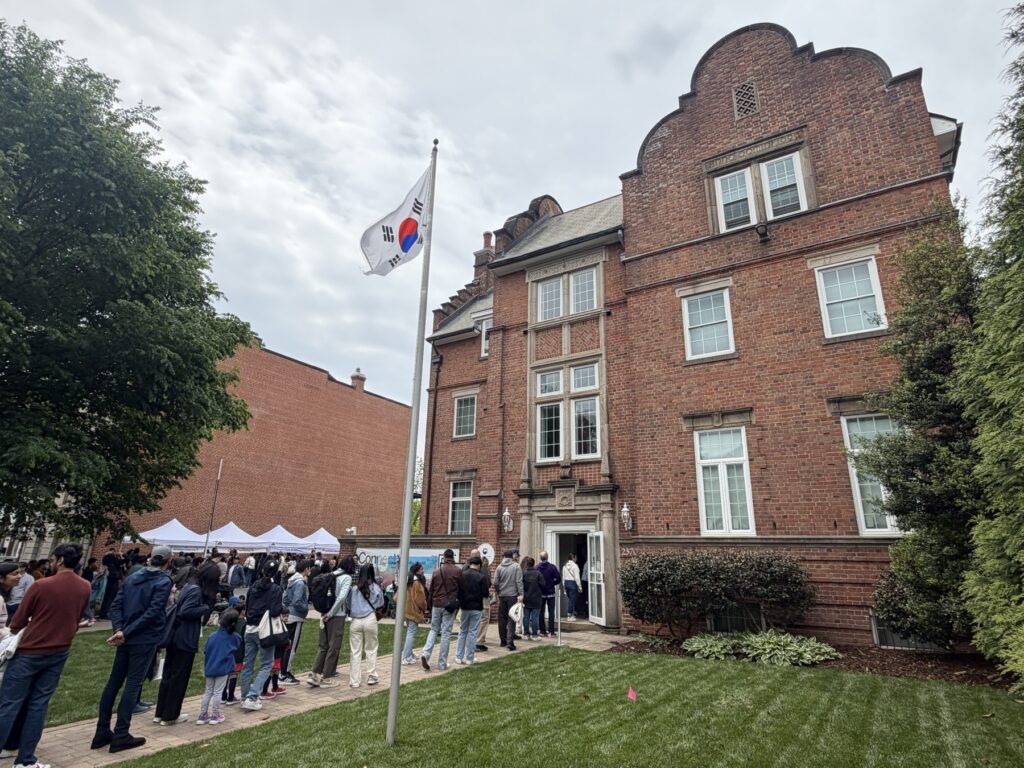
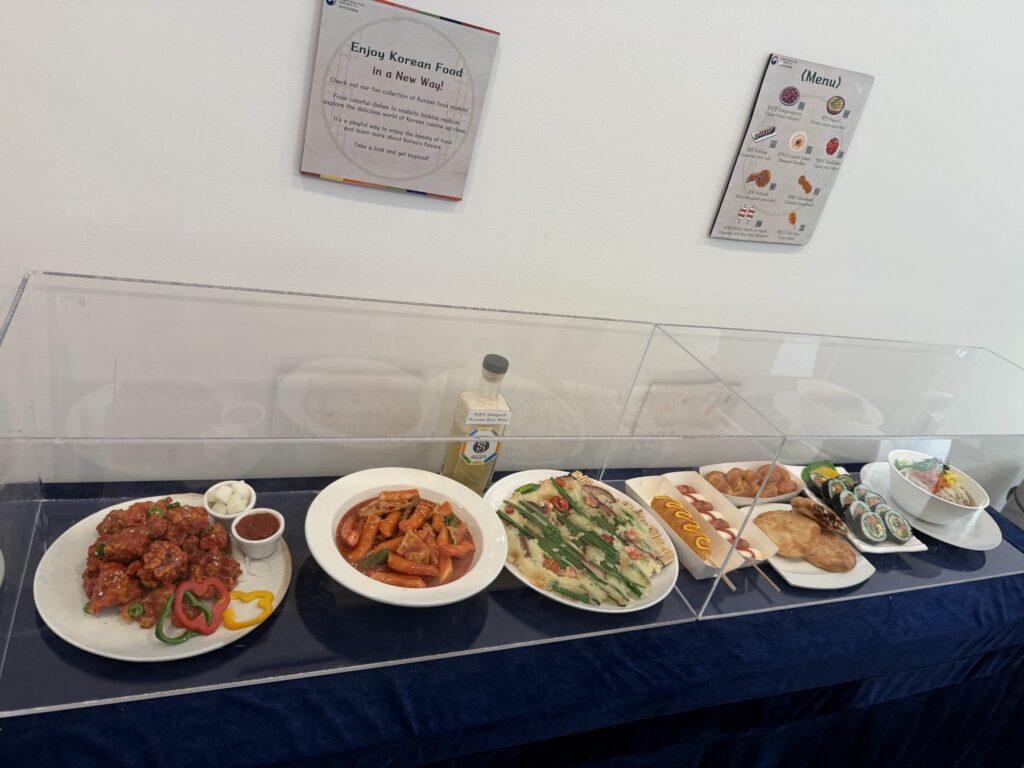
The Korean Embassy is a substantial red brick building — more formal in architecture than some of the others. Outside, the line wrapped around the lawn. Inside, the cultural showcase included a table of traditional Korean dishes presented under glass, with menu cards explaining each one — a food display that managed to be both educational and genuinely appealing.
Go, But Plan
Three embassies felt like too few. The DC Embassy Tour is one of those events that rewards planning — knowing which embassies you want to hit and in what order, arriving early at your top priority, and building in realistic time for lines. We left wishing we’d had more time. If you’re in DC on the right weekend, this is one of the better free things the city offers.