
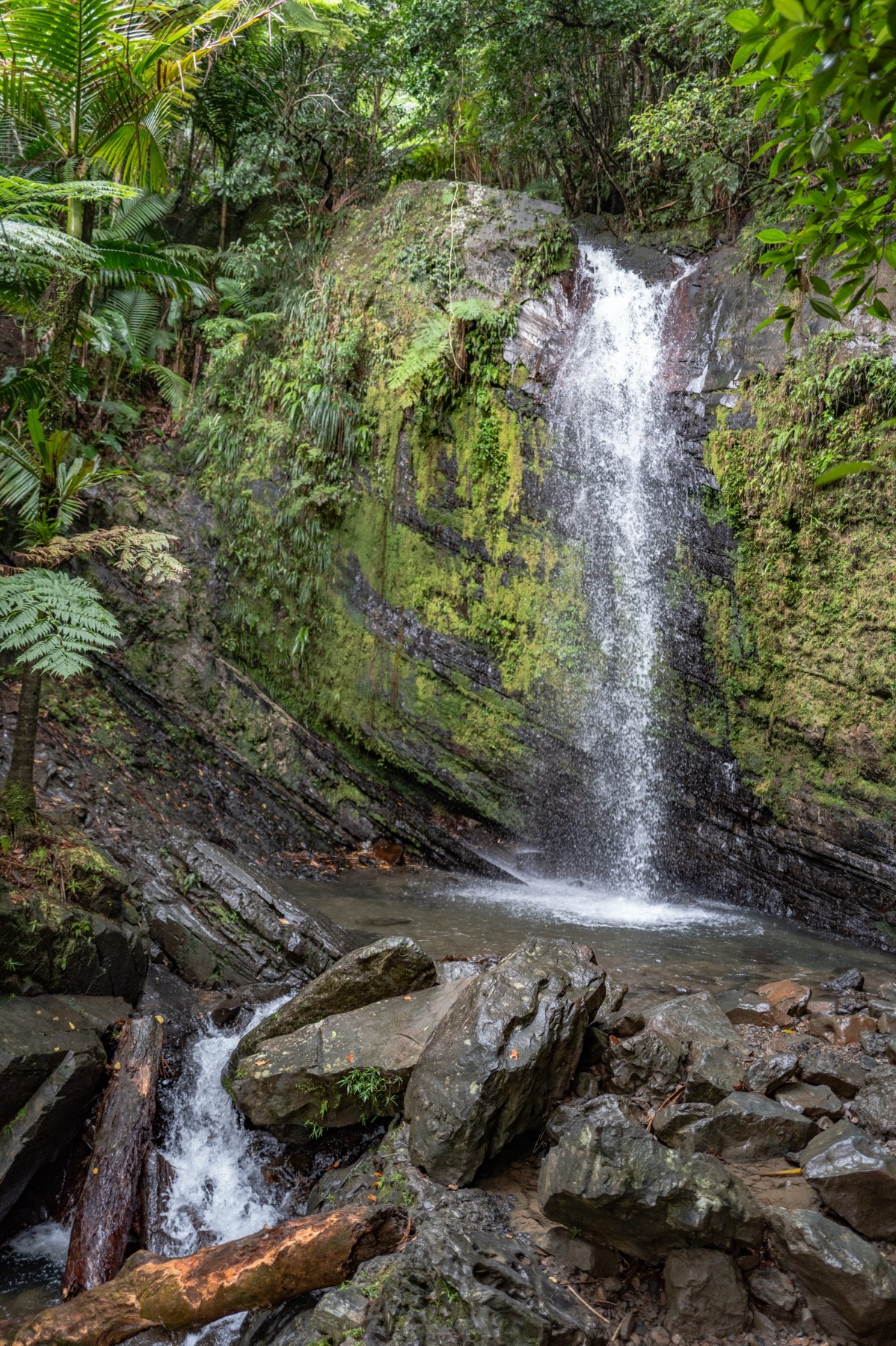
El Yunque National Forest is the only tropical rainforest in the United States National Forest System — 28,000 acres of cloud forest, waterfalls, and jungle canopy on the northeastern corner of Puerto Rico. The Forest Service limits daily visitors to 200 cars, and on busy days that cap gets hit. Getting in requires an early start.
Getting In
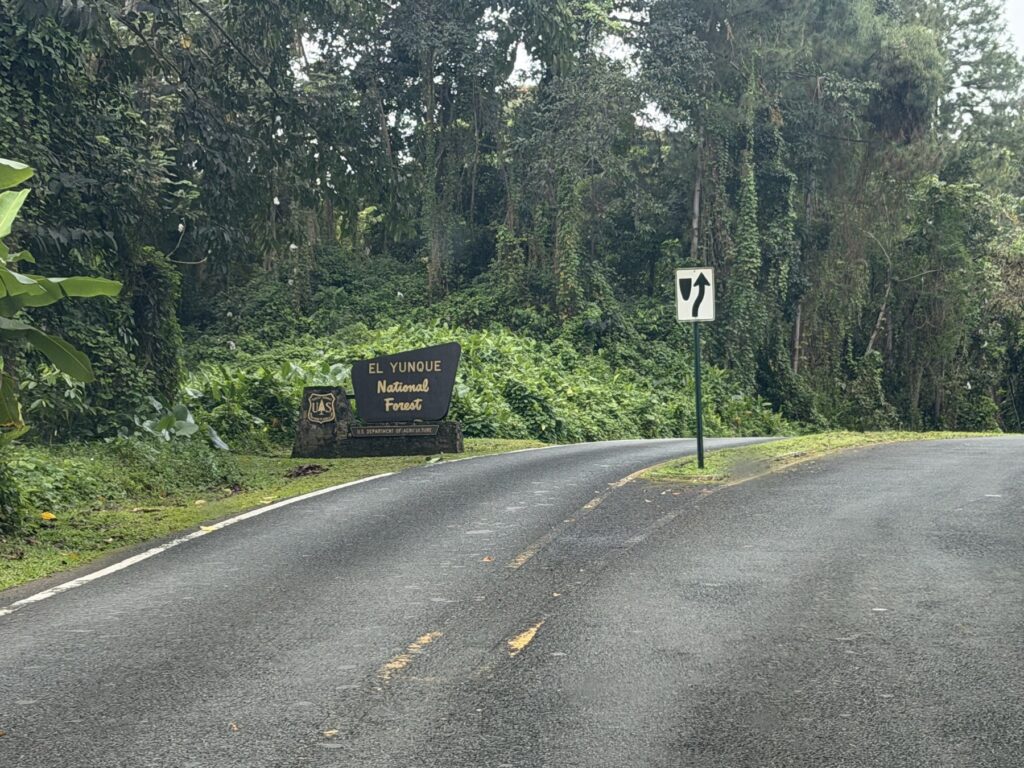
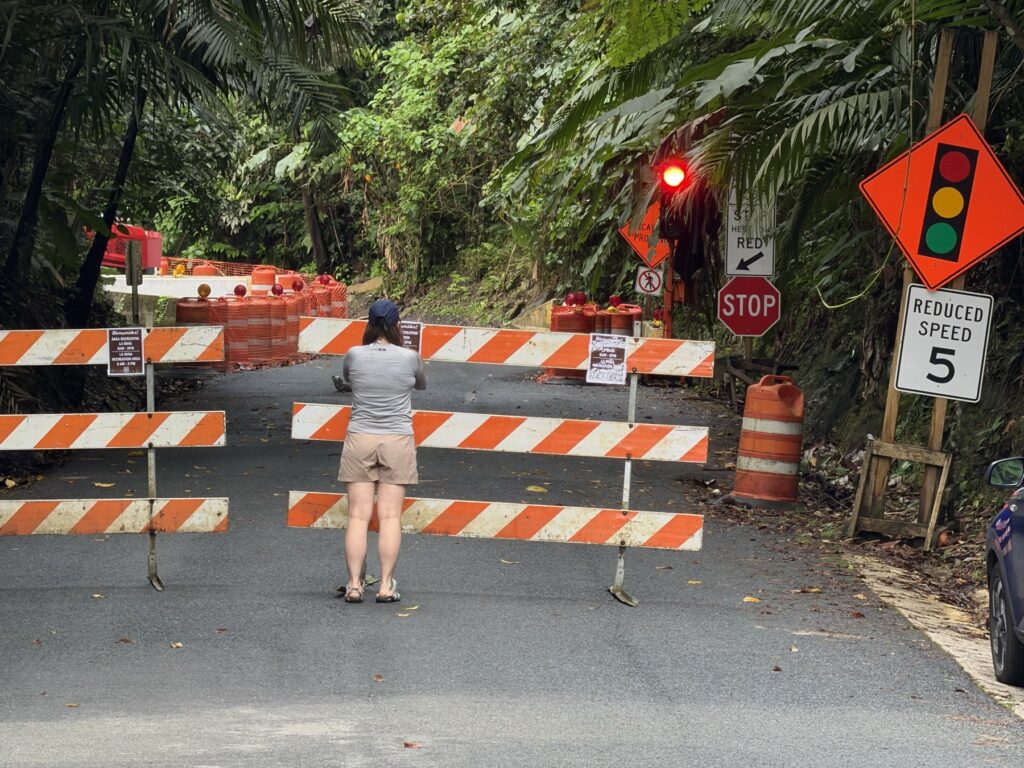
No advance reservations are required — entry is first-come, first-served up to the 200-car limit. The forest opens at 8am, and we arrived before that and lined up with other early visitors waiting at the gate. Getting there before opening is the right move if you want to do the main trails without fighting for parking. The forest road has a gate that holds visitors until opening time. We lined up before 8am with others doing the same — the right strategy to beat the capacity limit.
The Waterfalls
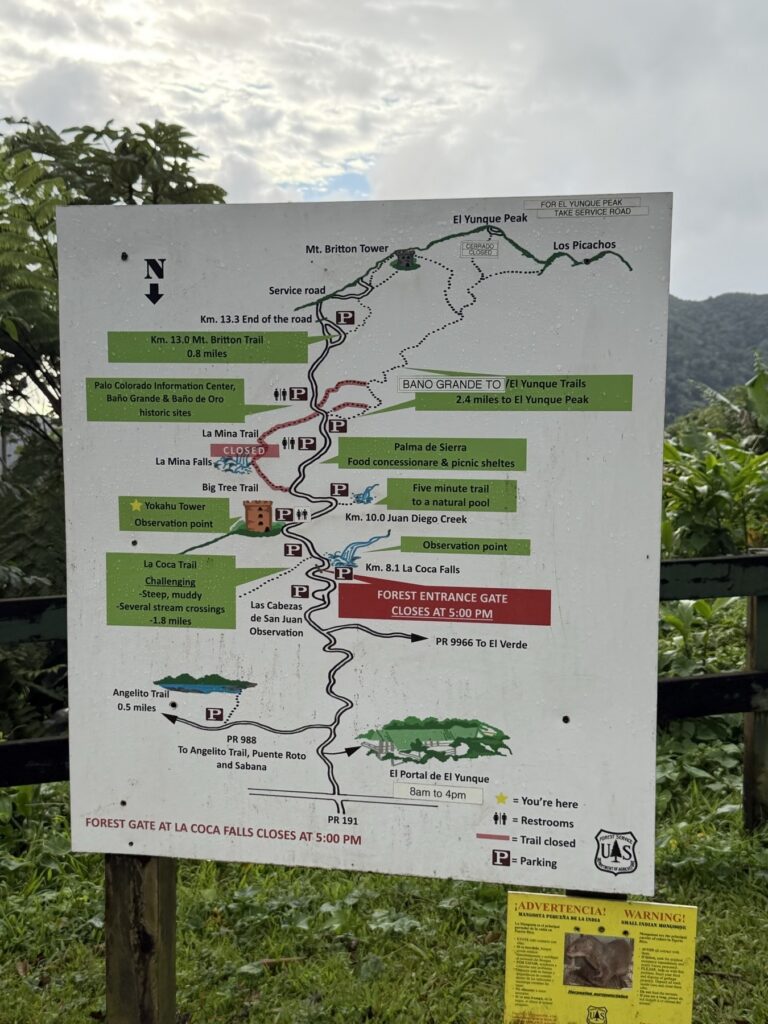
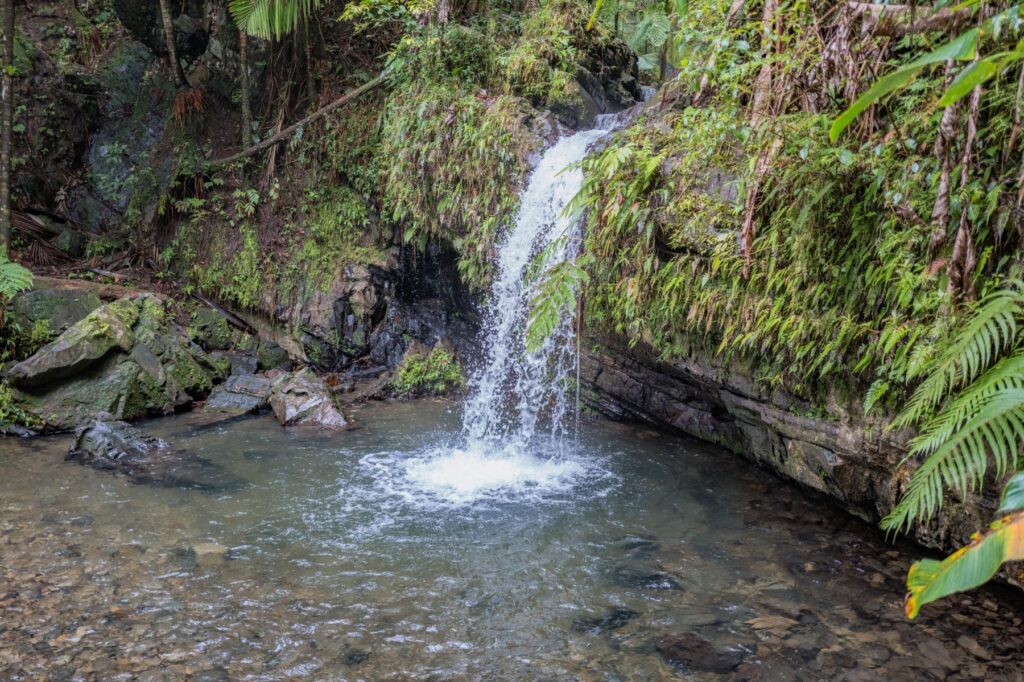
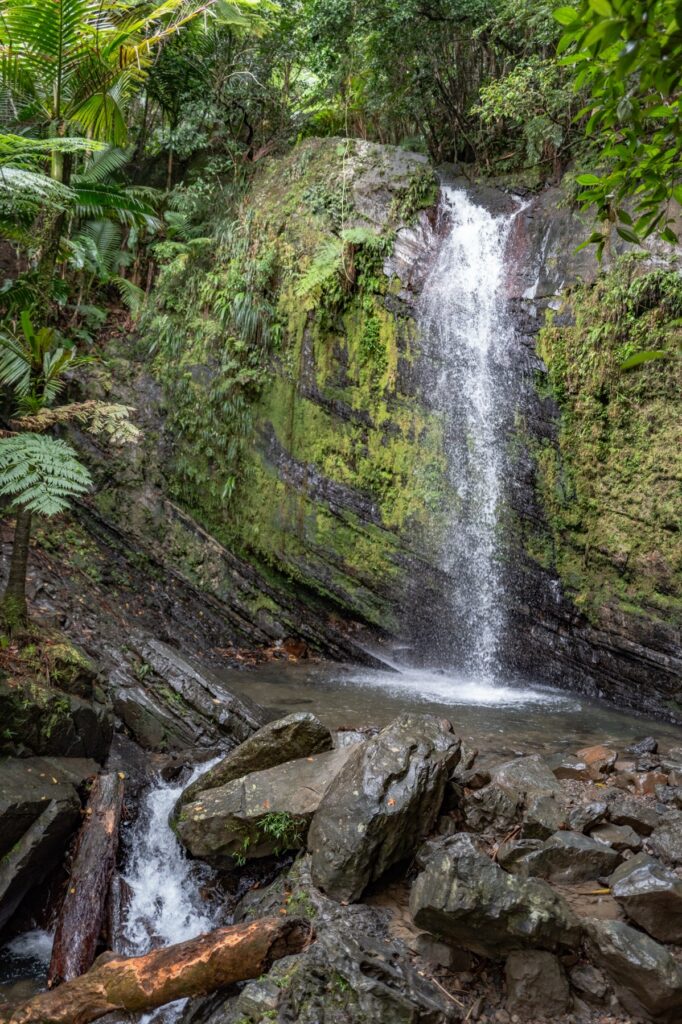
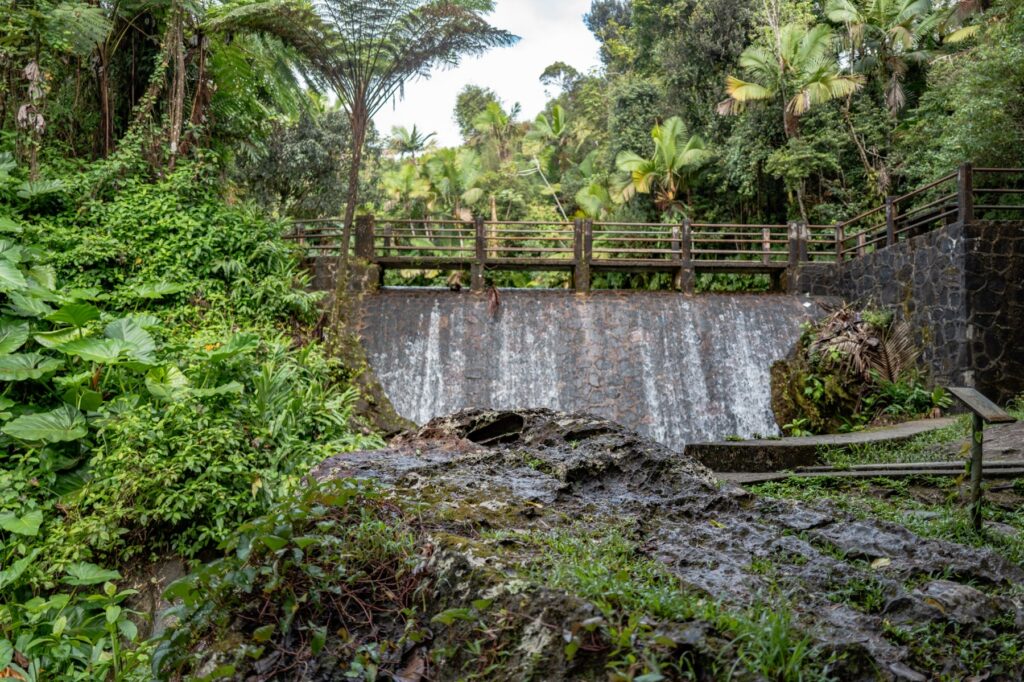
Waterfalls are everywhere. The forest gets over 100 inches of rain per year and it shows — every trail seems to pass one. La Mina Falls is the most famous and most visited. There is also a swimming hole fed by a waterfall that is marked on some maps, but we could not find it. The signage at the trailheads is not always reliable. If swimming is the goal, research the specific route in advance rather than expecting to stumble onto it.
The Towers
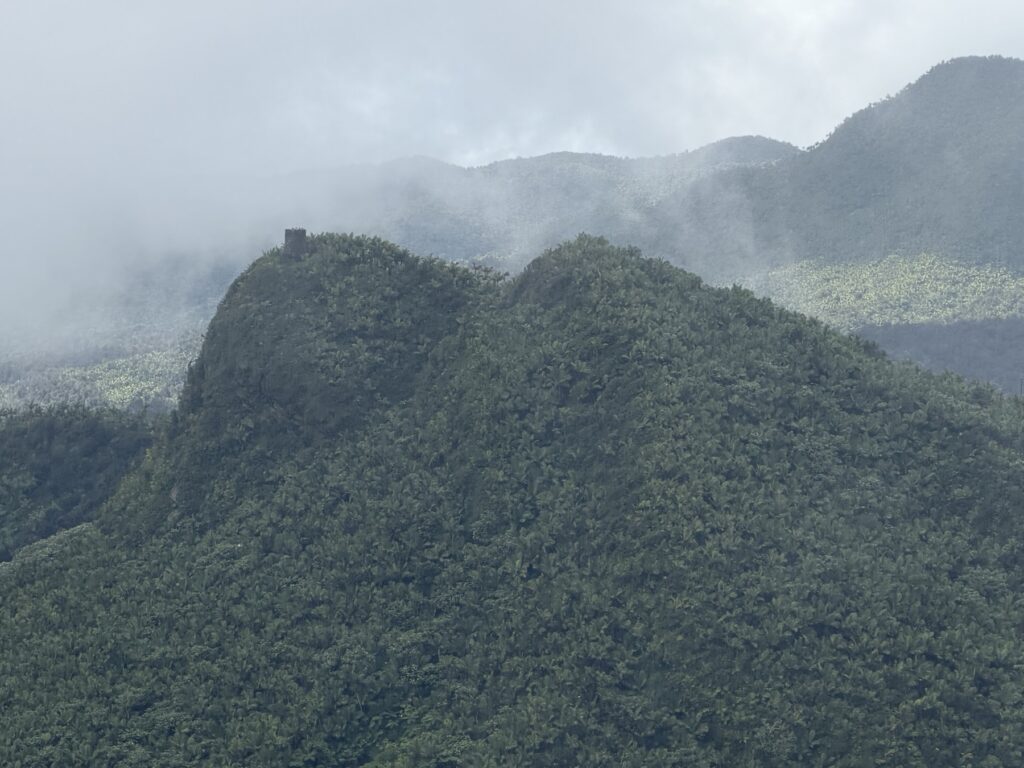
El Yunque has two historic stone observation towers. Yokahú Tower sits roadside and requires only a short walk and stair climb — accessible for most visitors and worth it for the views over the canopy and coast. The second, Mt. Britton Tower, sits higher on the ridge and is the destination for a longer hike.
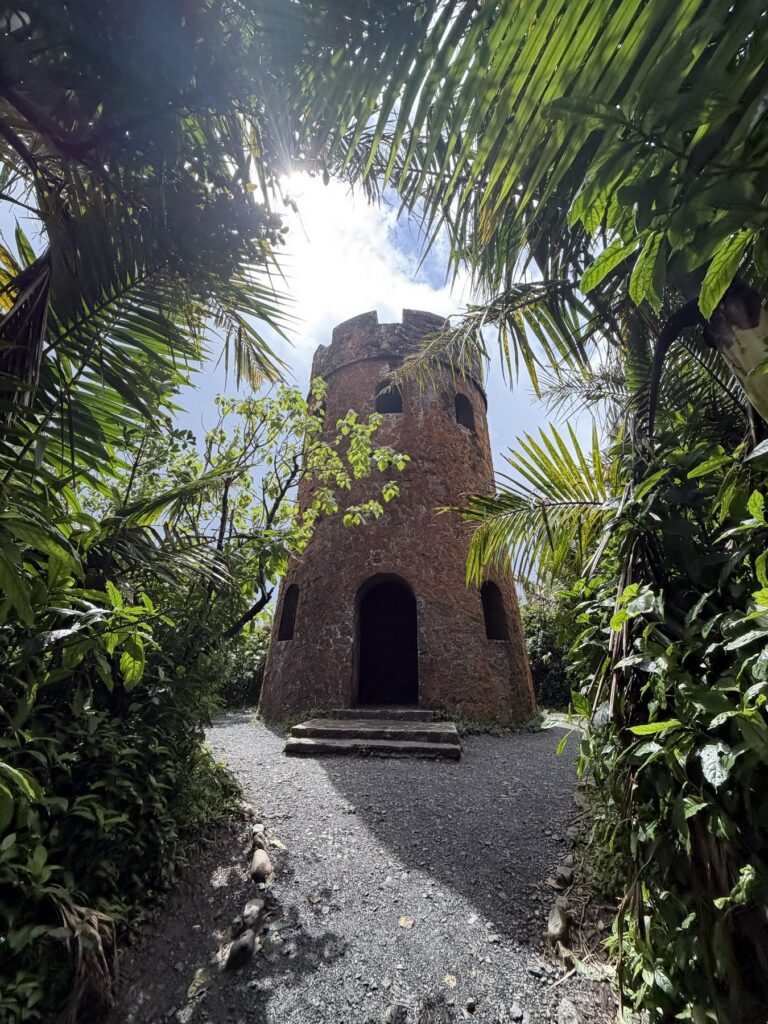
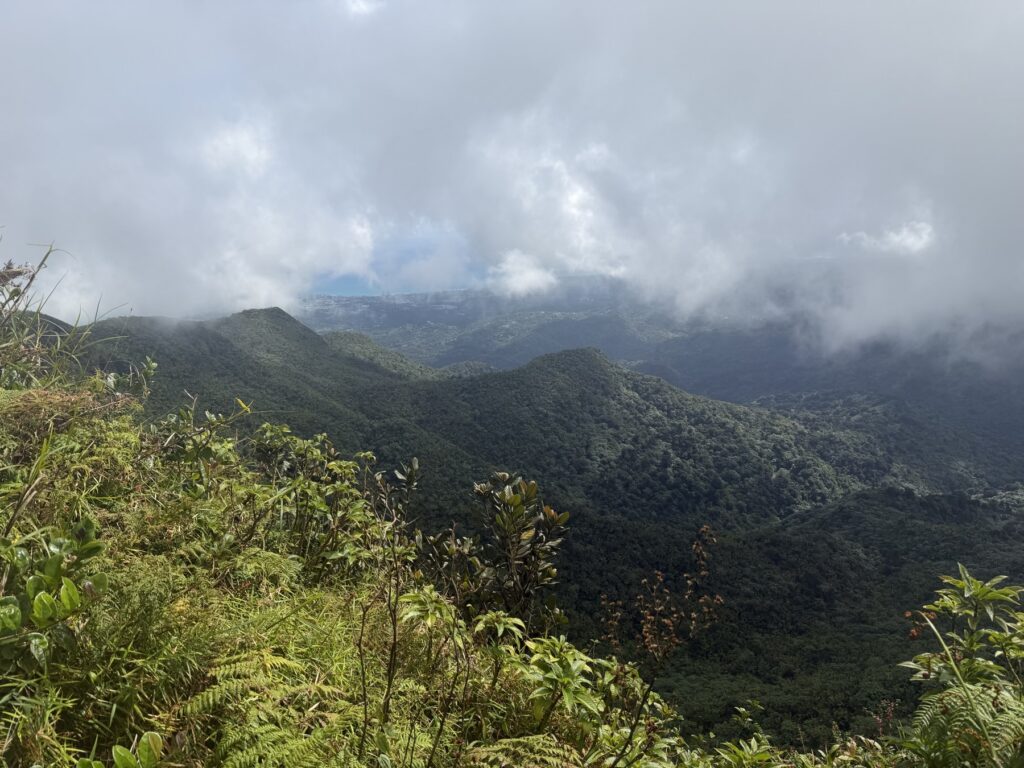
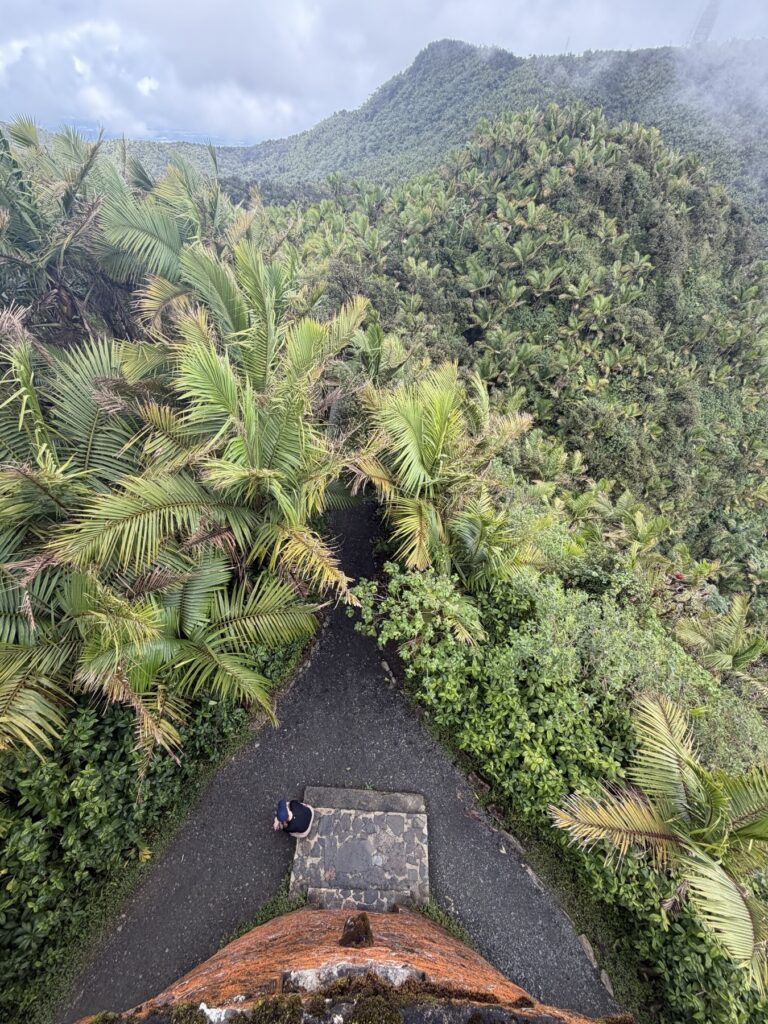
We did a roughly 5-mile hike up to the observation tower on the peak — steep and humid, the way rainforest hiking always is, but the views from the top are worth every step. Looking back down through the canopy from above is a different perspective on the forest entirely.
The Forest
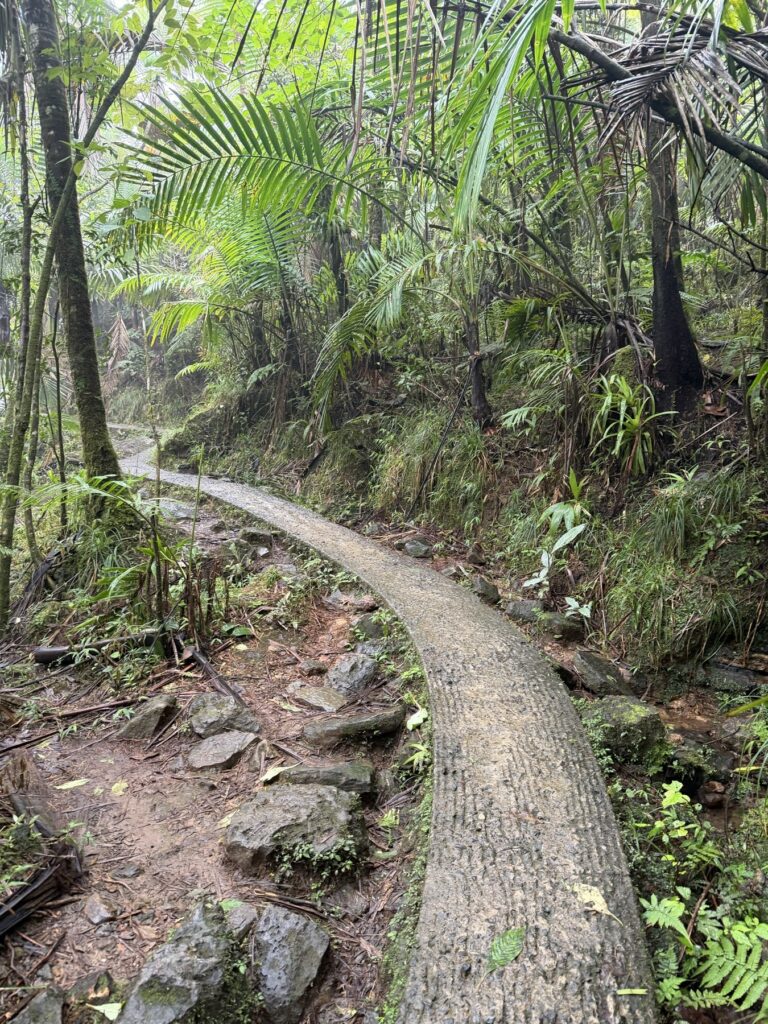
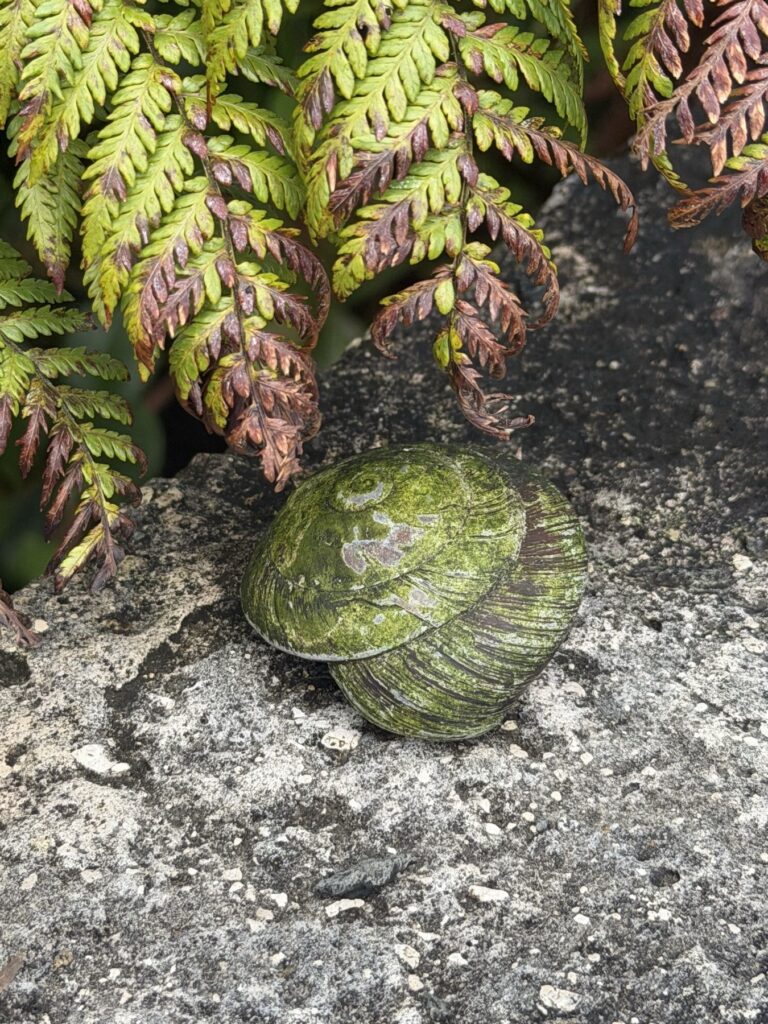
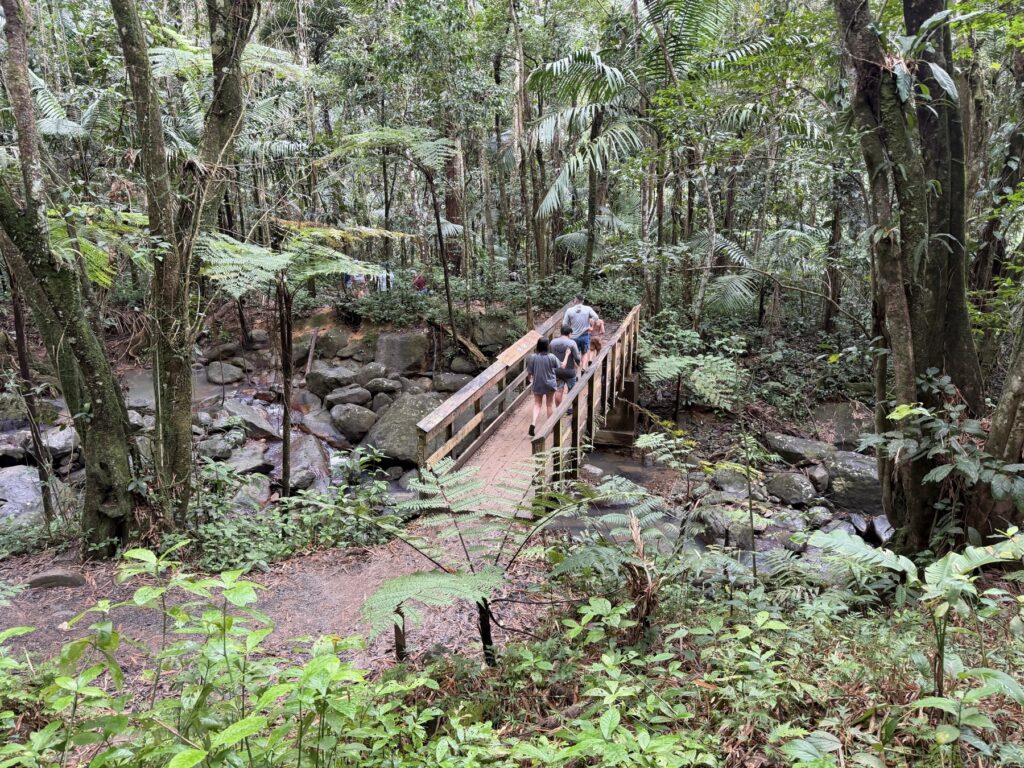
The forest itself is the draw as much as the individual destinations. El Yunque is a cloud forest — you are often in or above the clouds, the vegetation is dense and dripping, and the scale of the trees and root systems is remarkable. You will share the trails with land crabs, coquí frogs, and the occasional Puerto Rican parrot if you are lucky. Wildlife spotting is part of the walk.
The River Along the Road
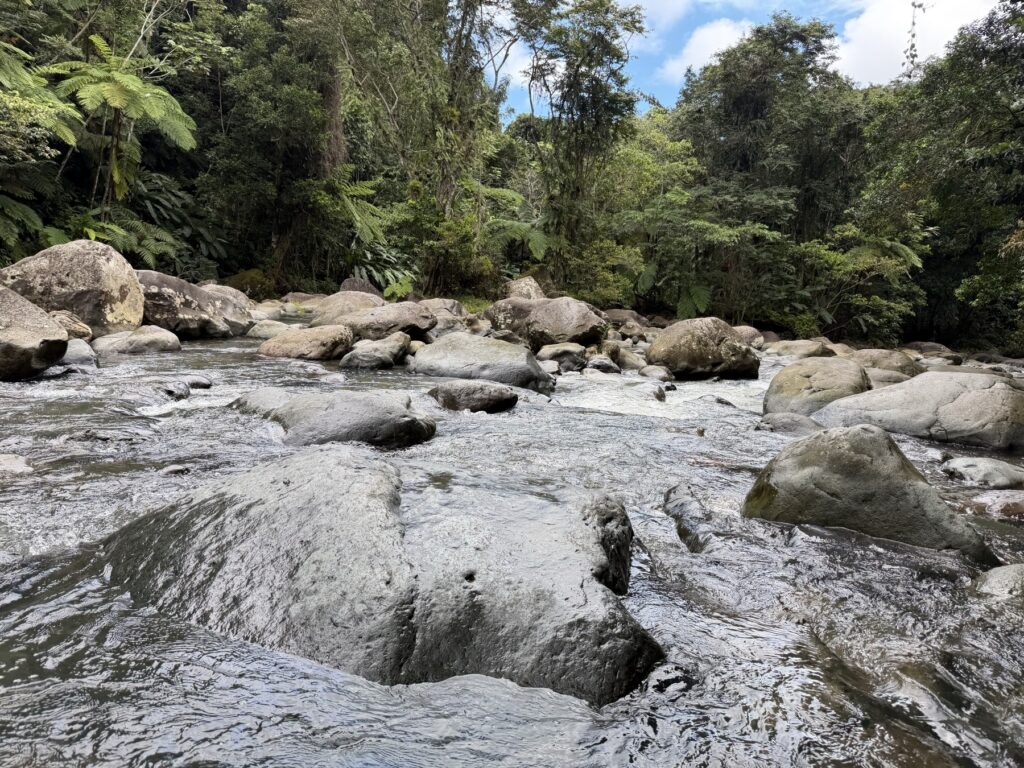
One of the better finds was off the main road: a river running over wide flat rocks, accessible from a pullout. People were sitting on the rocks, wading, and the conditions looked right for swimming. It is not a marked attraction — just a river doing what rivers do in a tropical rainforest — but it is a good place to cool off after the hike and far less crowded than the named falls.
Practical Information
- Location: Río Grande, Puerto Rico — PR-191 into the forest
- Hours: 8am–5pm; gate closes when 200-car capacity is reached
- Reservations: Not currently required — first-come, first-served
- Strategy: Arrive before 8am and line up at the gate; capacity fills quickly on weekends and holidays
- Photography: Allowed everywhere on the trails
- Swimming hole: Exists but not well-signed — research the specific trailhead before going
- Bring: Rain gear, water, bug spray — this is a tropical rainforest
El Yunque is one of those places that earns the hyperbole. It is genuinely unlike anything else accessible from the continental United States. The combination of the capacity limit, early-morning arrival, and spending the full day on the trails meant we had one of the better hiking days of the year. Get there early and stay as long as you can.